
Bring your chimney back.
For brick chimneys on older and newer homes. Clean the brick, repoint the loose joints, then add a water repellent to the exterior brick.
See the stepsAsk us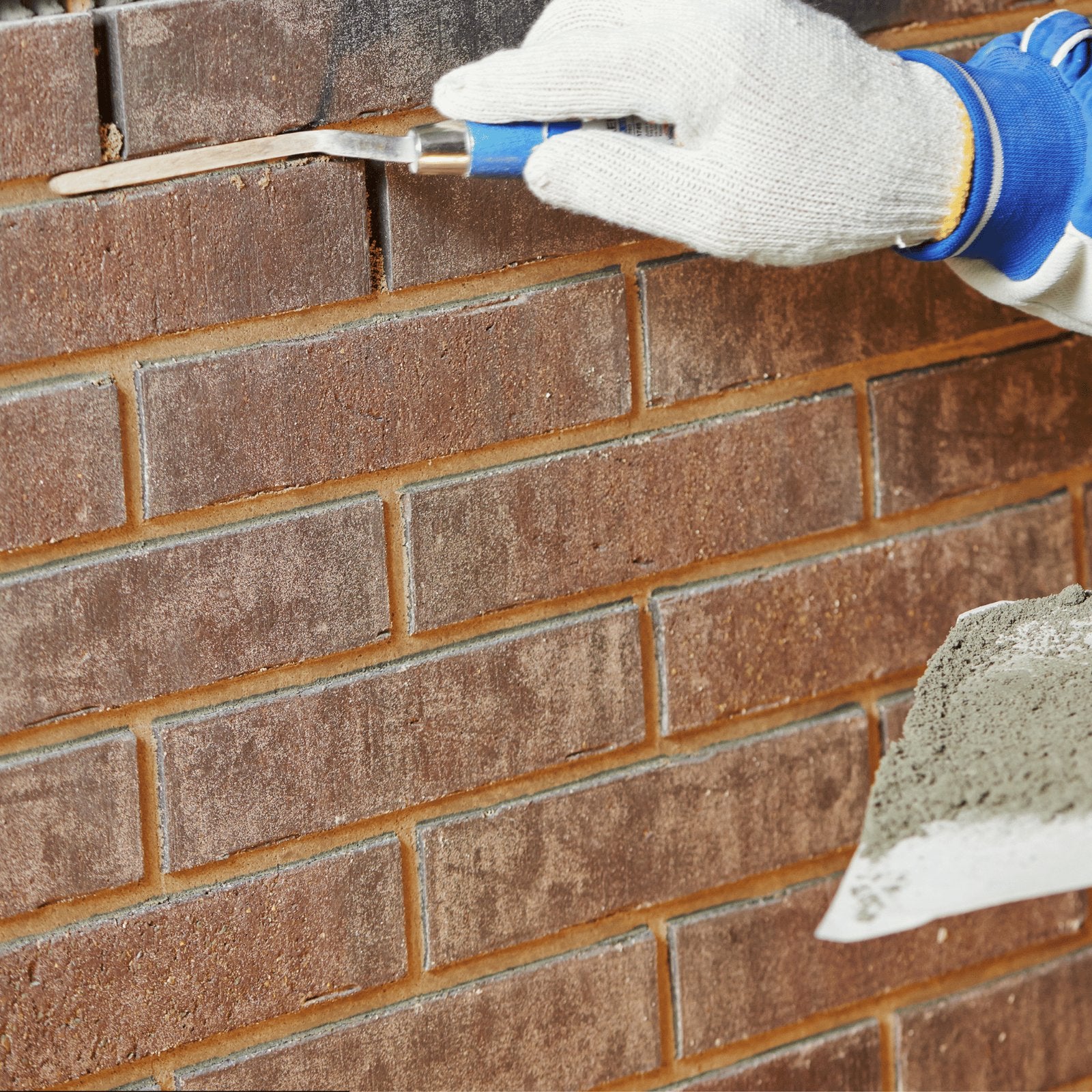
The steps
CleanCleaning firstAll Surface Cleaner dilutes with water, up to 1:20. Clean before you repoint or seal so the new work goes onto a clean face.
Wash soot and dirt off the brick with All Surface Cleaner, then rinse.
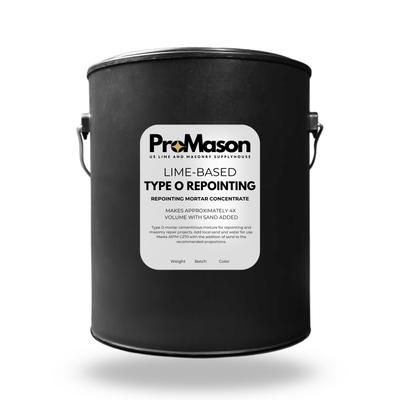
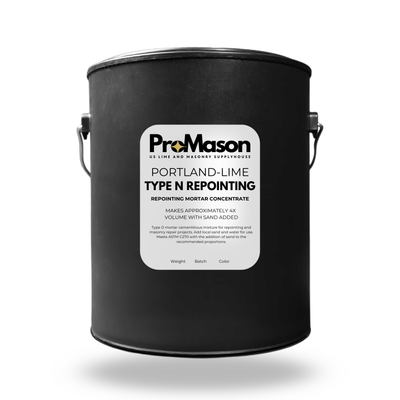
RepointMatching mortar to ageOur guide: PHL 3.5 for before 1920, Type O for 1920–1950, Type N for after 1950. Not sure? Ask us with a photo.
Rake out loose joints and refill them with the mortar matched to your home’s age. Order a quart sample to check the shade first.
ProtectMasonry Responder SealerA natural-look water repellent for exterior brick and stone above grade. Never use it on below-grade interior walls.
Once the mortar has cured, apply Masonry Responder Sealer to the exterior brick.
Your suppliesMortar sizesMortar comes as concentrate you mix with sand: a quart sample, 1-gallon cans, or a 5-gallon bulk box (five 1-gallon cans' worth of concentrate).



Want a smooth finish instead of exposed brick? LimePro lime plaster can be used as a chimney parge.LimePro pargeLimePro is a lime plaster you mix with 2.5–3 parts clean sand. Our Basement project page walks through an interior parge. See LimePro →
Questions
Which mortar is right for my home?
Our guide matches mortar to building age: PHL 3.5 for before 1920, Type O for 1920–1950 and Type N for after 1950. Not sure? Ask us and we'll suggest a good place to start.
How much should I order?
Use our Mortar Calculator. Mortar comes as concentrate in 1-gallon cans and 5-gallon bulk boxes (five 1-gallon cans’ worth of concentrate), plus quart samples.
Can I seal every wall?
Masonry Responder Sealer is for exterior brick and stone above grade. Never use sealer or water repellent on below-grade interior walls.
More questions?
More questions? See our FAQ, browse project guides, or ask us.