
Clean, repair, protect.
Three steps for brick and stone, whether your home is a century old or brand new. Start with a clean face, repoint with a mortar matched to your building, then protect exterior walls above grade. On brick, wash off mortar haze before you protect.
See the stepsAsk us
The steps
CleanCleaning firstAll Surface Cleaner dilutes with water, up to 1:20. Clean before you repoint or seal so the new work goes onto a clean face.
Wash dirt and old staining off the face with All Surface Cleaner.
Shop All Surface Cleaner →RepairMatching mortar to ageOur guide: PHL 3.5 for before 1920, Type O for 1920–1950, Type N for after 1950. Not sure? Ask us with a photo.
Rake out failed joints and repoint with the mortar matched to your building’s age.
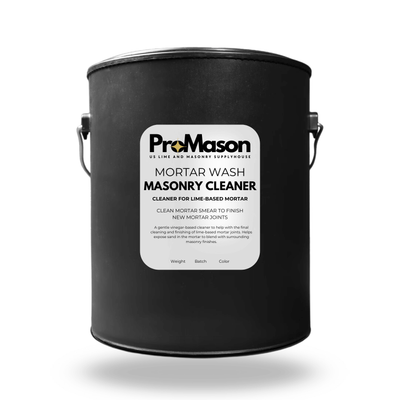
Find your mortar →On brick, wash off leftover mortar haze with Mortar Wash before you protect. (Brick only, skip on stone.)
Shop Mortar Wash →ProtectMasonry Responder SealerA natural-look water repellent for exterior brick and stone above grade. Never use it on below-grade interior walls.
Finish exterior brick and stone above grade with Masonry Responder Sealer.
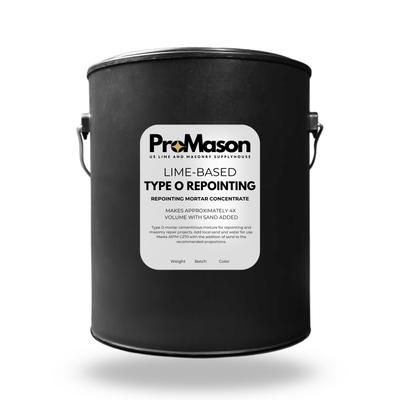
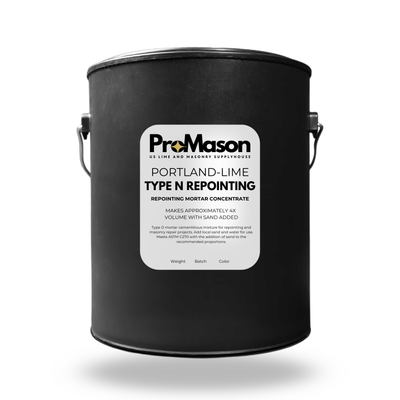
Shop the sealer →Your suppliesMortar sizesMortar comes as concentrate you mix with sand: a quart sample, 1-gallon cans, or a 5-gallon bulk box (five 1-gallon cans' worth of concentrate).



Questions
Which mortar is right for my home?
Our guide matches mortar to building age: PHL 3.5 for before 1920, Type O for 1920–1950 and Type N for after 1950. Not sure? Ask us and we'll suggest a good place to start.
How much should I order?
Use our Mortar Calculator. Mortar comes as concentrate in 1-gallon cans and 5-gallon bulk boxes (five 1-gallon cans’ worth of concentrate), plus quart samples.
Can I seal every wall?
Masonry Responder Sealer is for exterior brick and stone above grade. Never use sealer or water repellent on below-grade interior walls.
More questions?
More questions? See our FAQ, browse project guides, or ask us.