
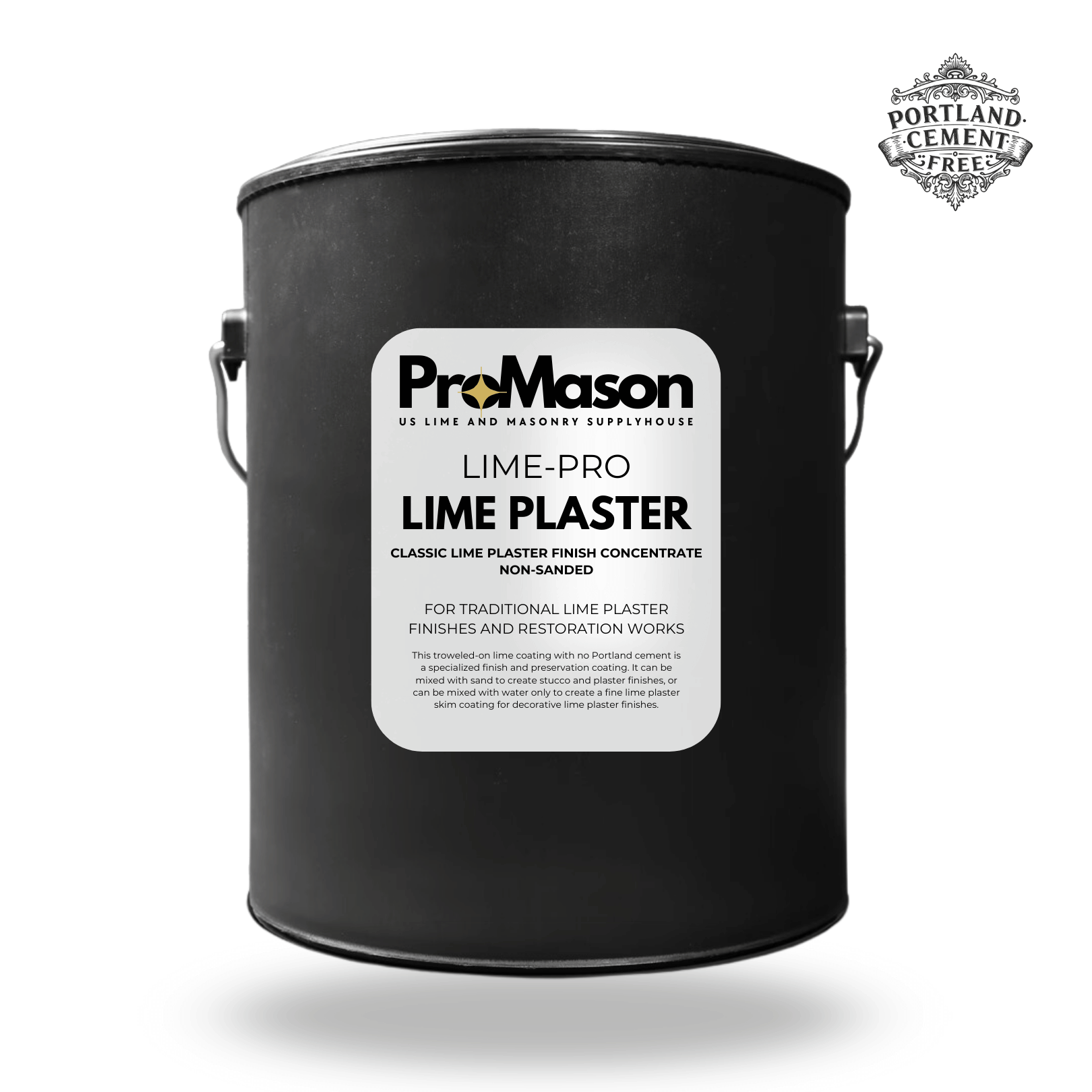


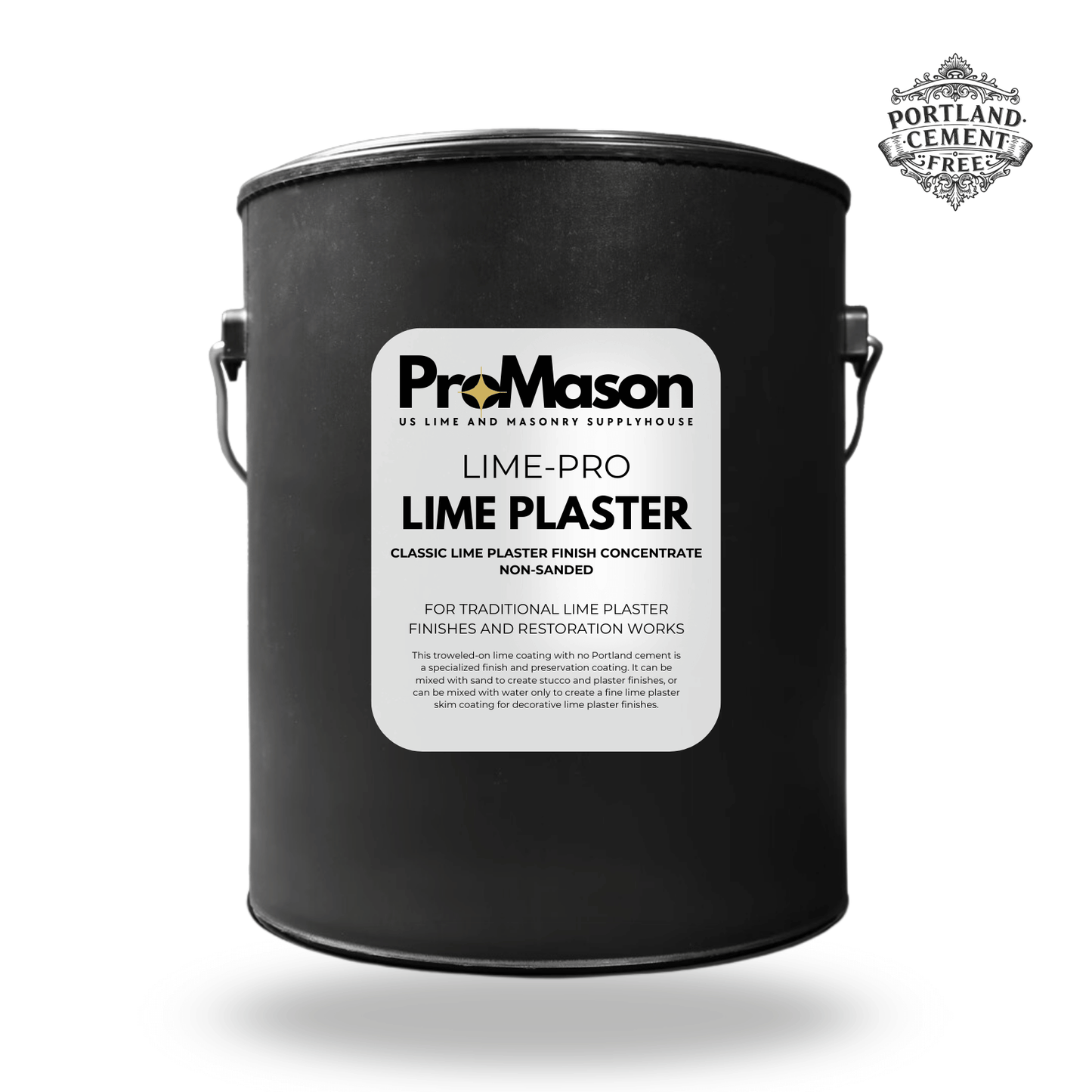
LimePro Lime Plaster Classic
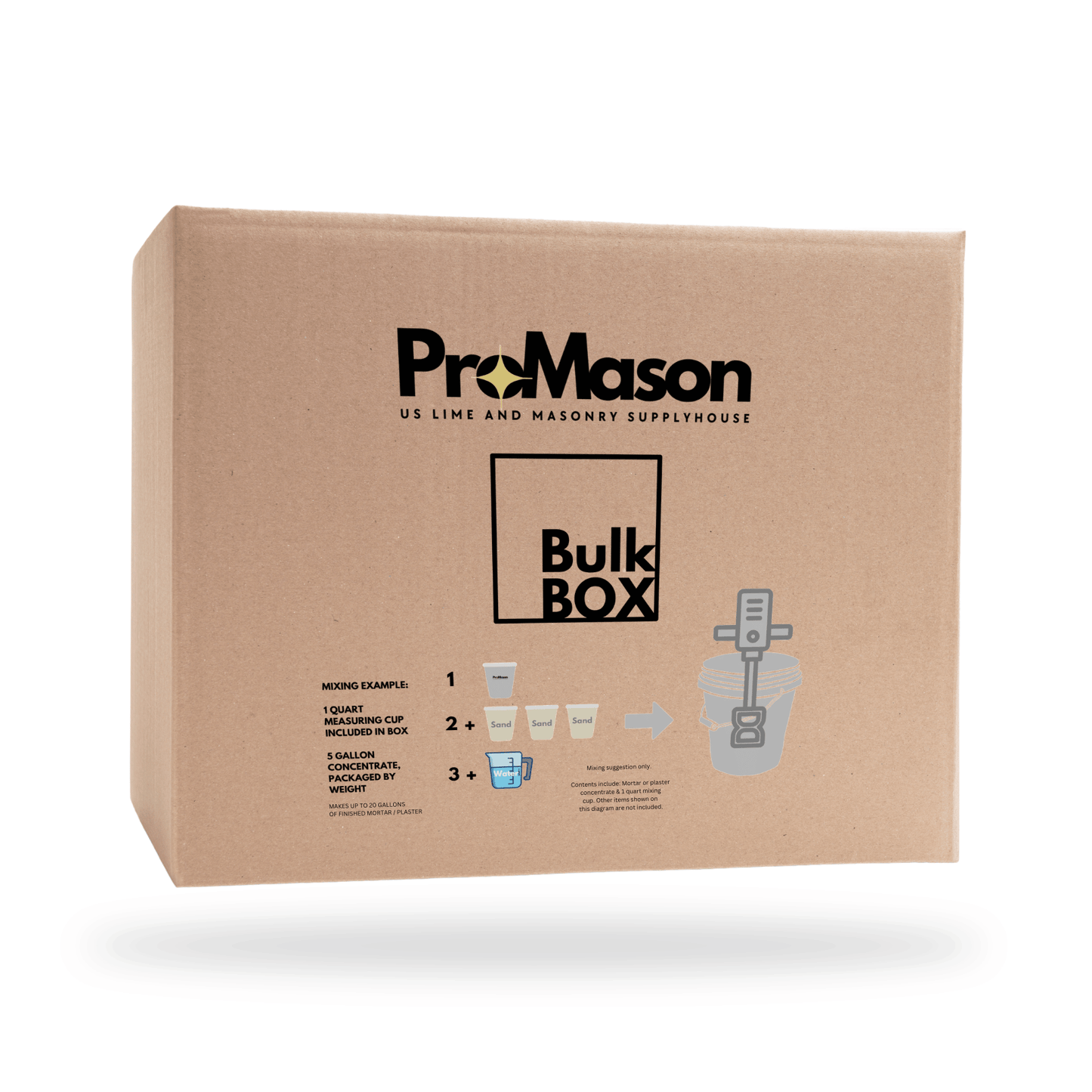
LimePro Lime Plaster Classic5-gallon bulk box = five 1-gallon cans' worth of concentrate.
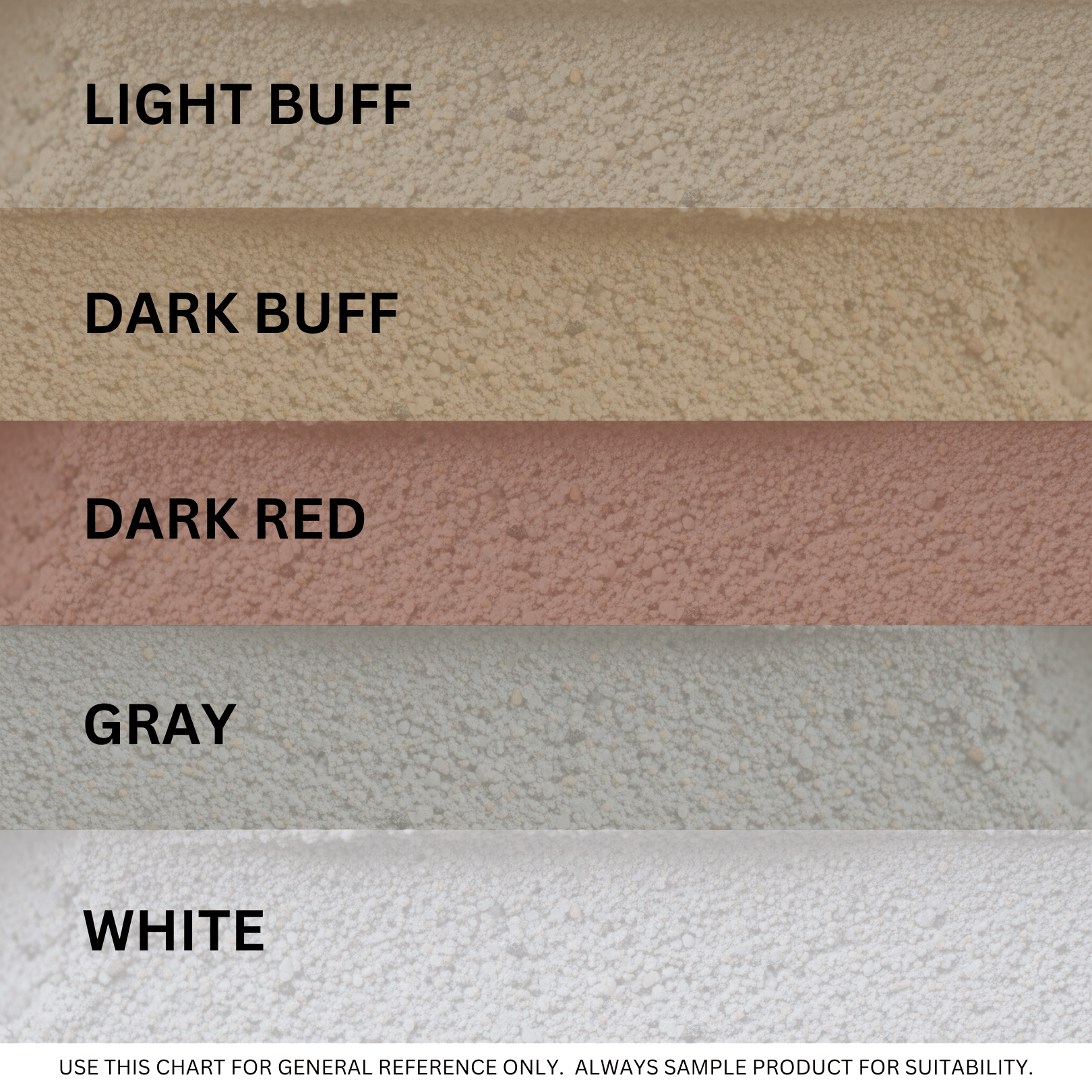
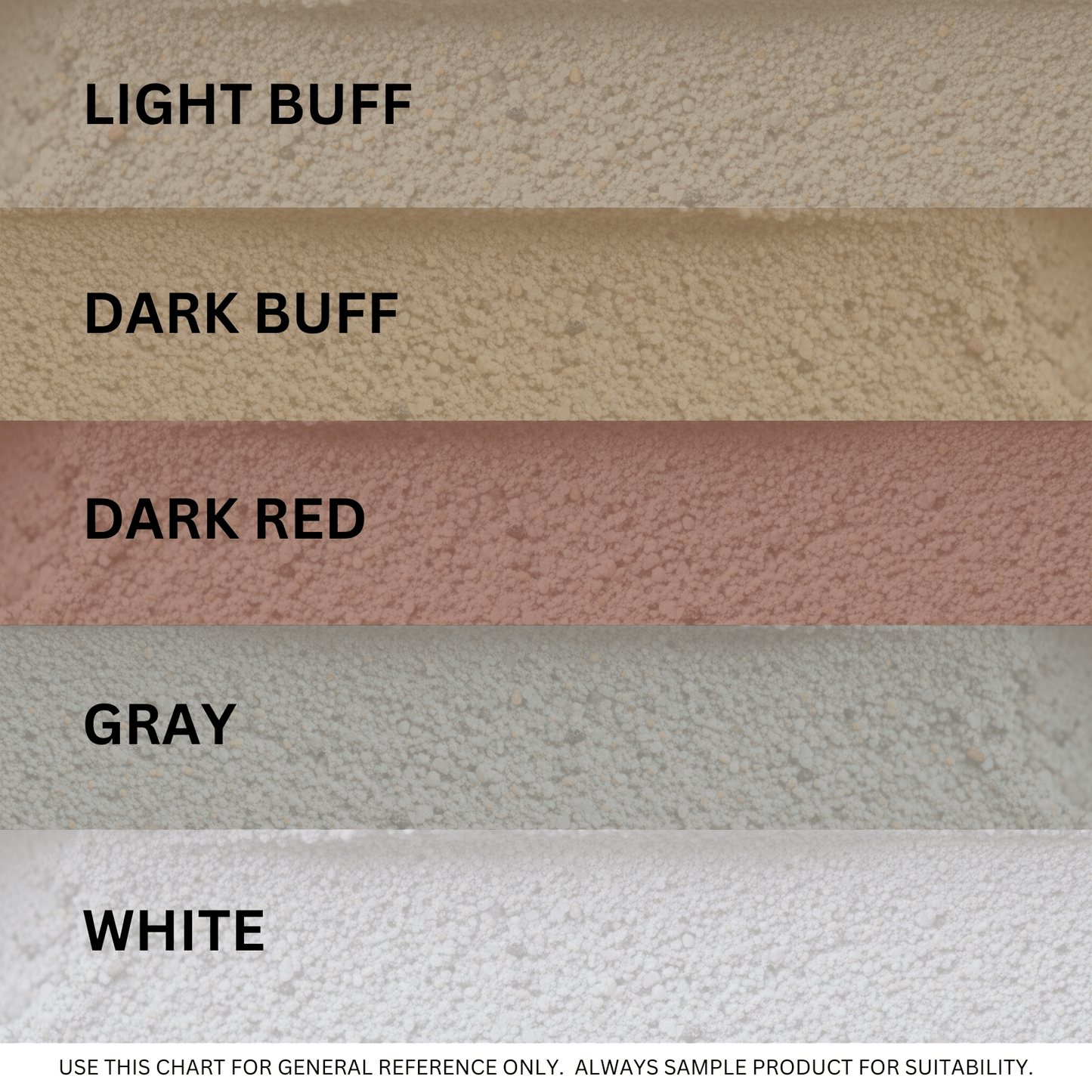
Not sure of the color? Pick the Quart – Sample & Small Project Size to test it at home before the full order.
Using it on a wall indoors? Basement project · Skim-coat a room · FAQ
Couldn't load pickup availability
Coverage
Coverage
Coverage: About 10-15 square feet per gallon of concentrate at 3/8" total thickness. This is based on each gallon of concentrate making about 3.5-4 gallons of plaster once sand is added. Smooth, flat walls are at the high end. Rough stone, open joints and uneven walls use more and sit at the low end. Thicker work uses proportionally more: at 5/8", plan on about 6-9 square feet per gallon. Mix 1 part concentrate with 2.5-3 parts clean, sharp sand by volume for every coat, using finer sand for the last coat. Use the Plaster Estimator below for your wall.
Typical thickness: two-coat preservation parge, about 3/8"-5/8" total. Traditional three-coat plaster (scratch, brown, finish), about a 3/8" system, built thicker on uneven walls. Single working coat on masonry, 1/8"-1/4".
Smooth decorative skim coat? Use our Color Skim lime plasters.
Not sure which to pick?
Not sure which to pick?
Tell us about your project and the year your home was built, and we'll suggest a good place to start. Ask us here.
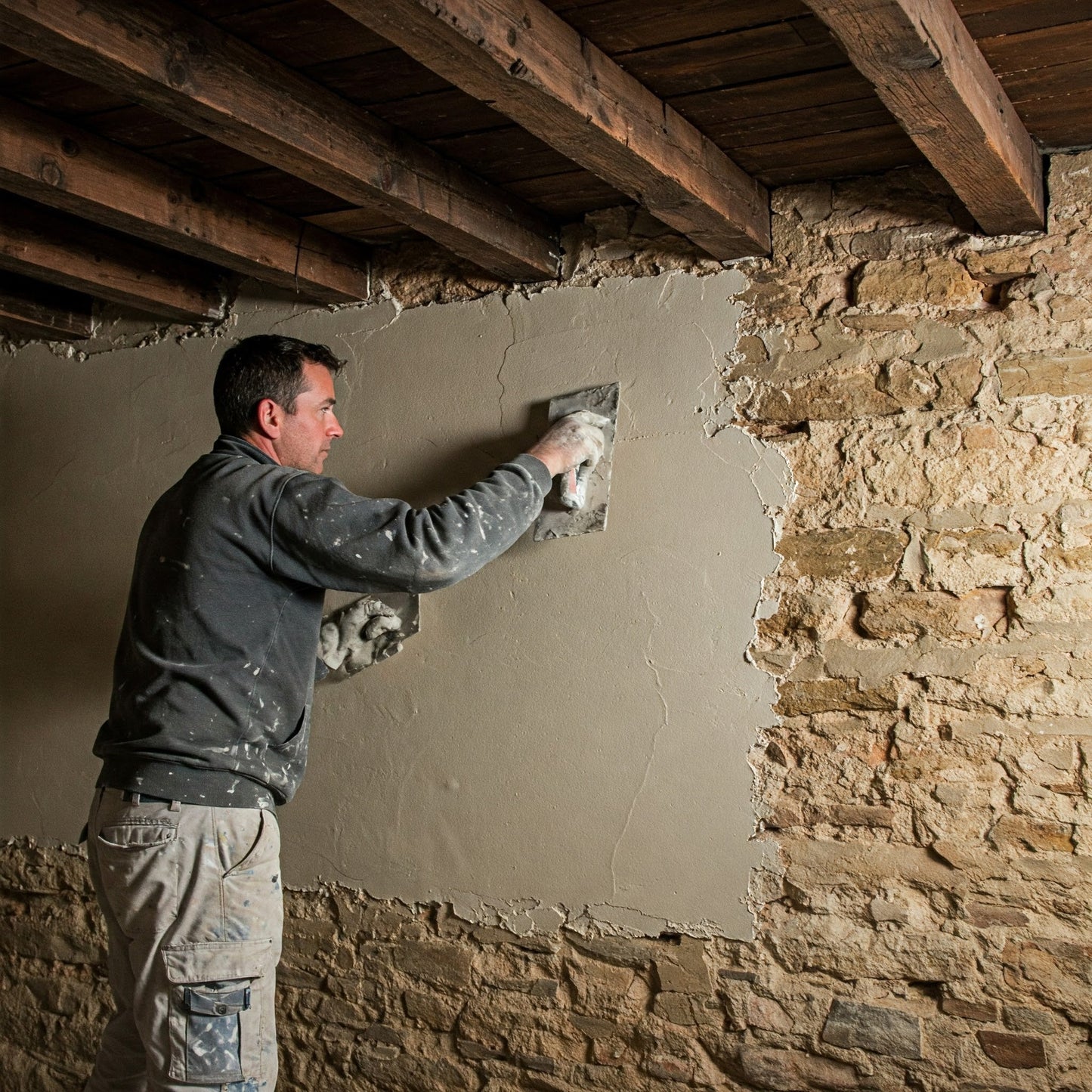
Pick LimePro to rebuild old lime plaster walls and ceilings, and for lime base coats, parging and lime stucco on brick, stone and concrete, including basement and cellar walls.
- Rebuilds traditional plaster - the base and body coats for repairing old plaster walls on masonry or wood lath, not just a decorative skim.
- The one for basement parge - two coats on basement, cellar and foundation walls of brick and stone.
- Mix with your sand - 1 part concentrate to 2.5 to 3 parts sand for every coat.
- No Portland cement - a breathable mineral plaster.
| Product | Best for |
|---|---|
| LimePro (this one) | Rebuilding old plaster walls; base coats, parging and lime stucco on masonry |
| Color Skim | Thin, pre-colored finish coats, including over primed drywall |
Smooth, pre-colored finish coat, or plastering over primed drywall? Use Color Skim. Not sure how much you need? Try the lime plaster calculator.
Repairing old plaster walls
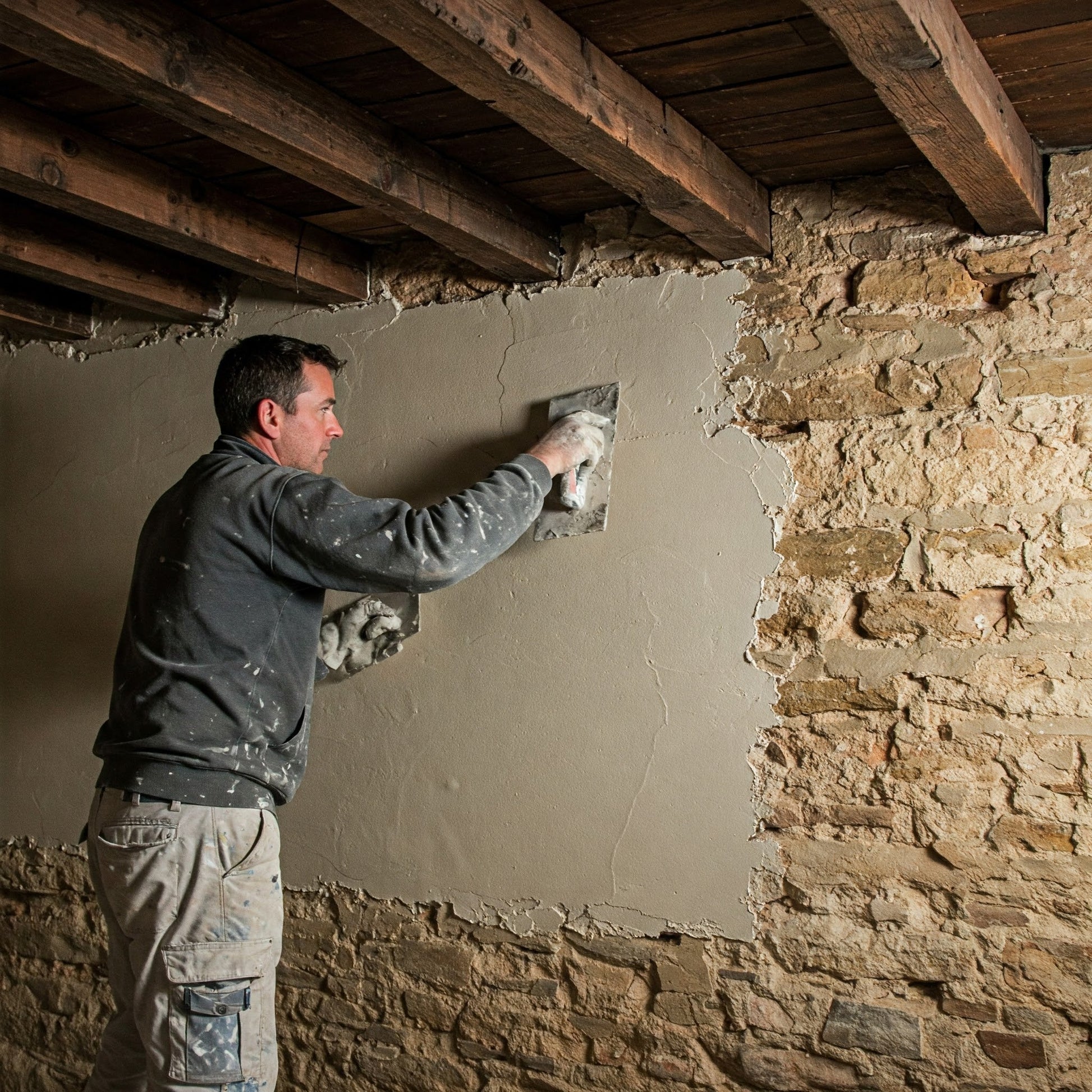
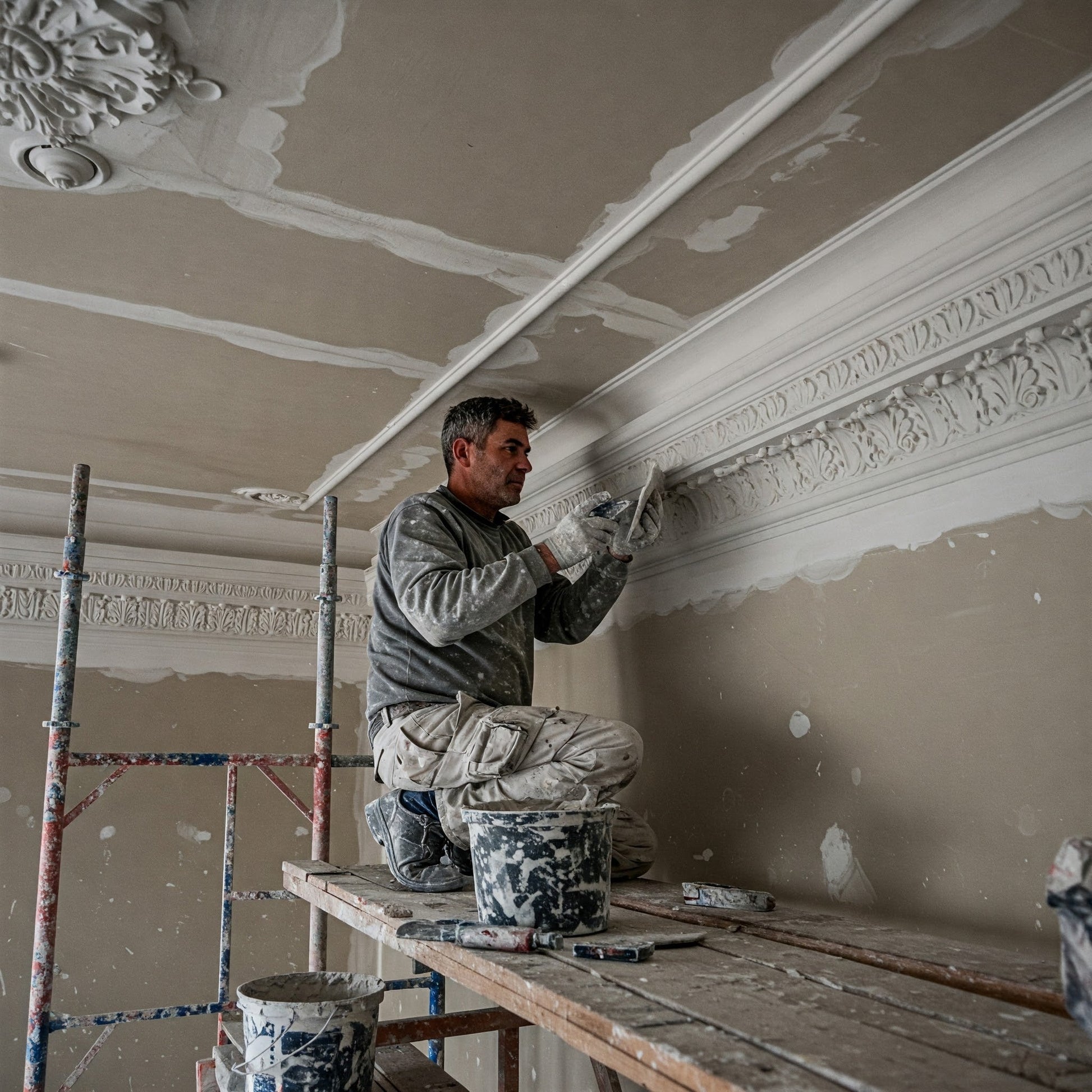
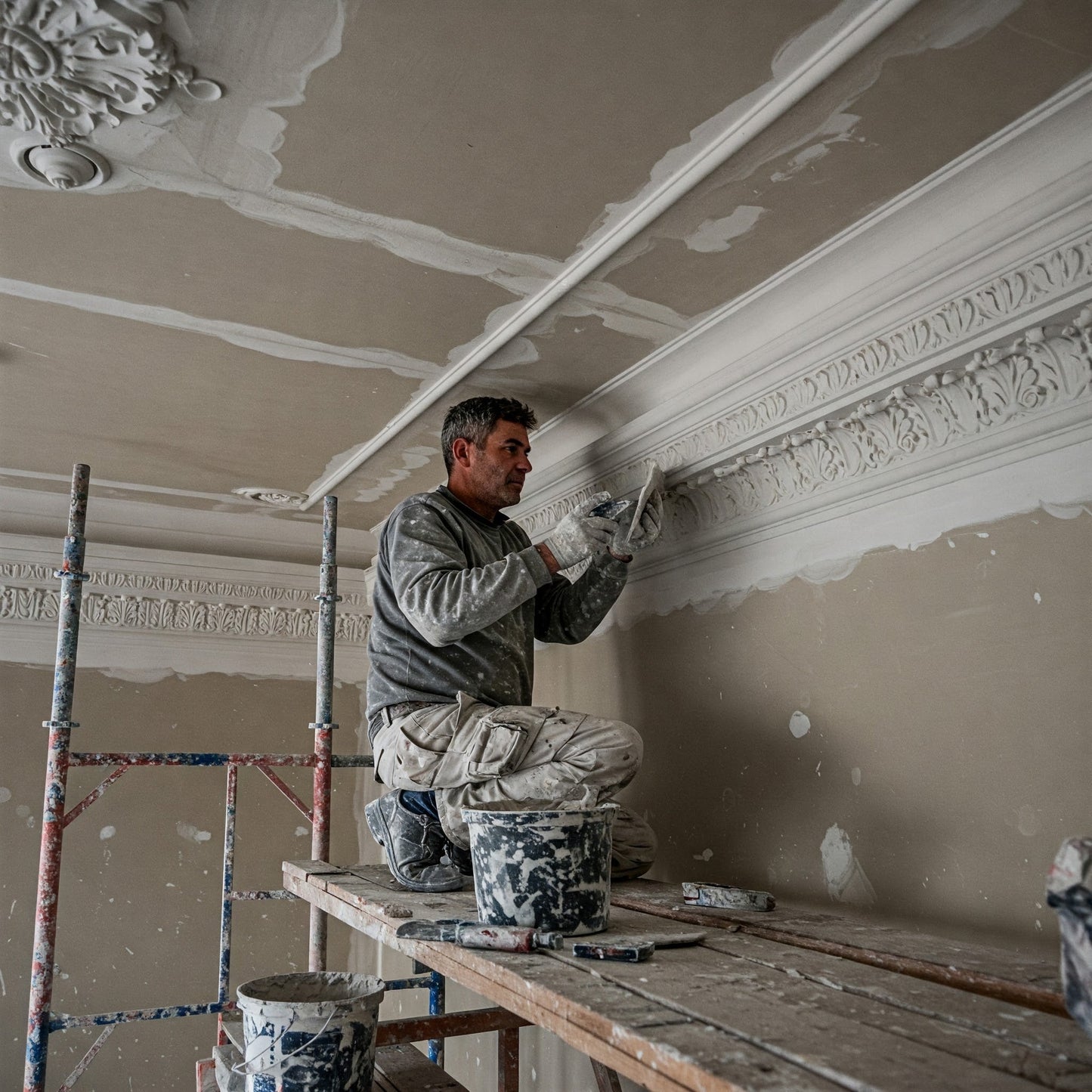
Cracked, bulging or patchy plaster in an older home usually doesn't mean the whole wall has to come down. The sound plaster can stay. LimePro is the material for building the missing and failed areas back out to the surrounding wall, the way the original plaster was put on: in coats, with sand, and without Portland cement.
Check the wall first.
- Assess how well the plaster around the damage is attached before removing anything. Keep sound, securely attached plaster. Investigate loose, hollow-sounding or moving areas rather than stripping them; remove only material that can't be secured and retained. Get a specialist to look at loose or sagging ceiling plaster before working under it.
- On wood lath, make sure the lath itself is sound and securely fastened, with gaps between the strips for the new plaster to grip. Re-fasten or replace loose or rotted lath before plastering.
- On masonry, the wall must be sound and clean: free of loose material, failed cement patches, paint, salts, grease and growth.
- Find and fix the cause first. Plaster that failed from a leak, a moving framing member or a settling wall will fail again if only the surface is patched.
Rebuild in three coats. A traditional repair goes back in three coats totaling about 1/2 inch: a coarse-sand first coat pressed firmly into the lath or masonry and scratched for key, a second coat straightened and brought close to the surrounding level, leaving room for the finish coat, and a thin fine-sand finish coat brought flush with the surrounding plaster. Build deep areas up in layers rather than one heavy coat. Let each coat firm up before the next goes on, and lightly dampen it first; don't apply over a coat that has dried out and gone dusty.
Finish your way. Leave the fine-sand finish coat as a sanded mineral surface, decorate it with diluted water-based masonry stain or a breathable lime-based paint, or, once the LimePro is firm and fully cured, apply Color Skim as a thin, smooth decorative finish. Avoid acrylic paints and sealers that close the surface; lime plaster needs to breathe.
When to call in a professional. Have the wall or ceiling looked at before you plaster if large areas are sagging or pulling away, ceiling plaster has come loose overhead, the framing or wall has moved, or water damage is ongoing. LimePro repairs plaster; it does not fix structural problems. Old paint and plaster may also contain lead or other hazards, so check before you sand or demolish.
Where it doesn't belong. LimePro is a lime plaster for masonry and wood lath. It is not for gypsum plaster systems, and it is not a smooth skim coat. If you're unsure what your walls are made of, send us photos and we'll help you pick a starting point.
Masonry preservation: basements, parging and stucco
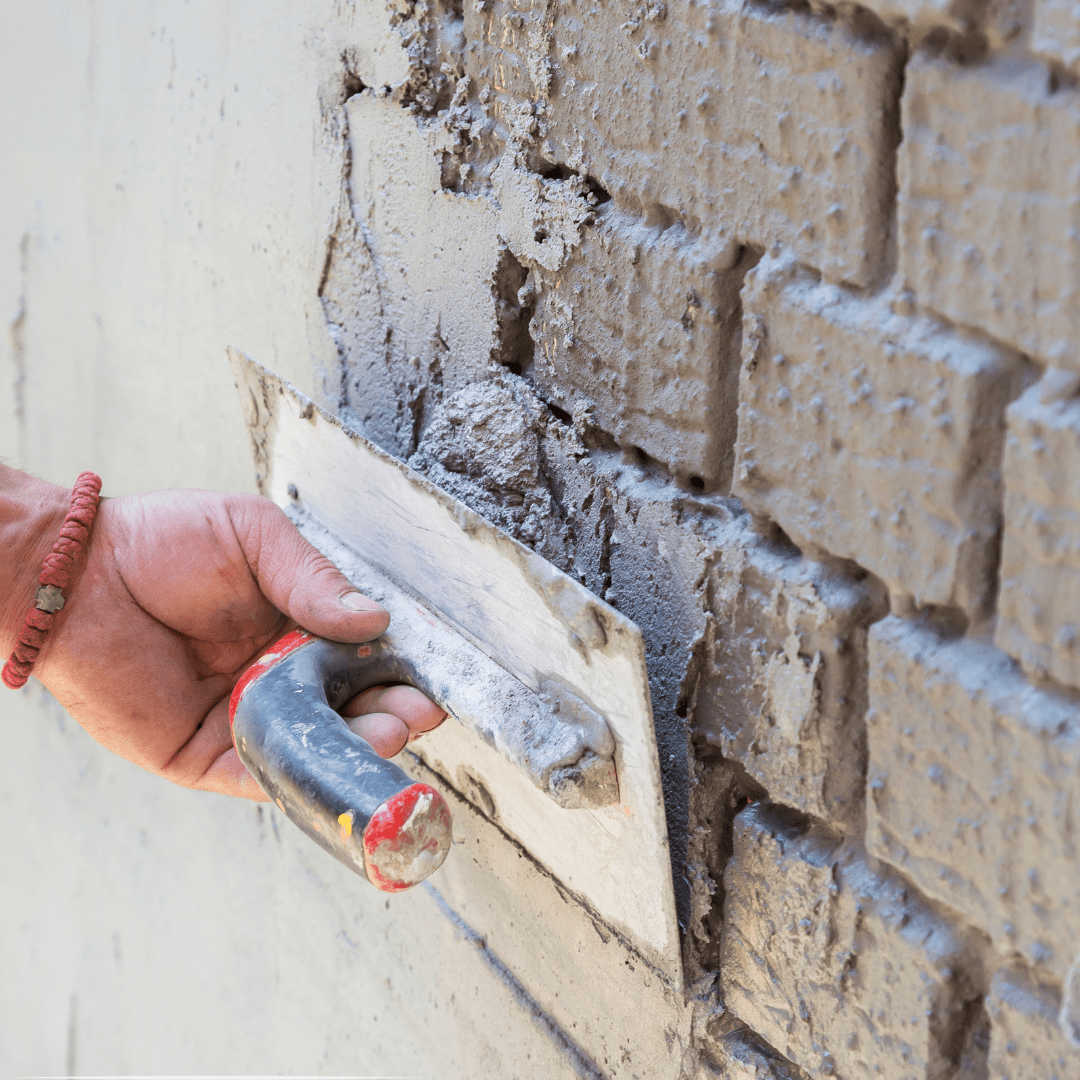
Old masonry walls, especially in basements and cellars, tend to dust, crumble and shed. For basement, cellar and foundation walls of brick and stone, apply LimePro as a two-coat parge. Rake out failed joints and pack large voids with PHL 3.5 lime mortar first, then apply a coarse-sand first coat and a thinner fine-sand second coat, sponge-floated to an open, sanded finish. Don't steel-trowel it slick.
It reduces dusting and gives a breathable, sacrificial mineral surface; it is not a water barrier and won't stop leaks or water pressure. A water repellent should never go below grade. Above grade outside, LimePro also works as lime stucco on brick, stone and concrete; finish with Masonry Responder Sealer once the lime has cured.
Mixing and curing
- Mix. Dry-blend 1 part LimePro with 2.5 to 3 parts clean, sharp sand: coarser for first and base coats, finer for the last coat. Add clean water only when you're ready to plaster, and mix to a stiff, workable paste.
- Work in batches. Mix only what you can place while it stays workable. Never add water to a batch that has stiffened.
- Prep. Dampen the wall just before plastering so it's damp, not glistening wet.
- Cure slow. Keep fresh work damp with light misting for about a week, and protect it from frost, direct sun and drying wind. Work in mild weather and keep fresh work from freezing while it cures. Don't force-dry with heat.
- Test first. Try a small area or sample panel with your sand before doing the whole wall.
Sizes
- Quart (sample and small projects)
- Gallon (makes about 3.5 to 4 gallons of plaster)
- 5 Gallon box (makes up to 20 gallons of plaster)
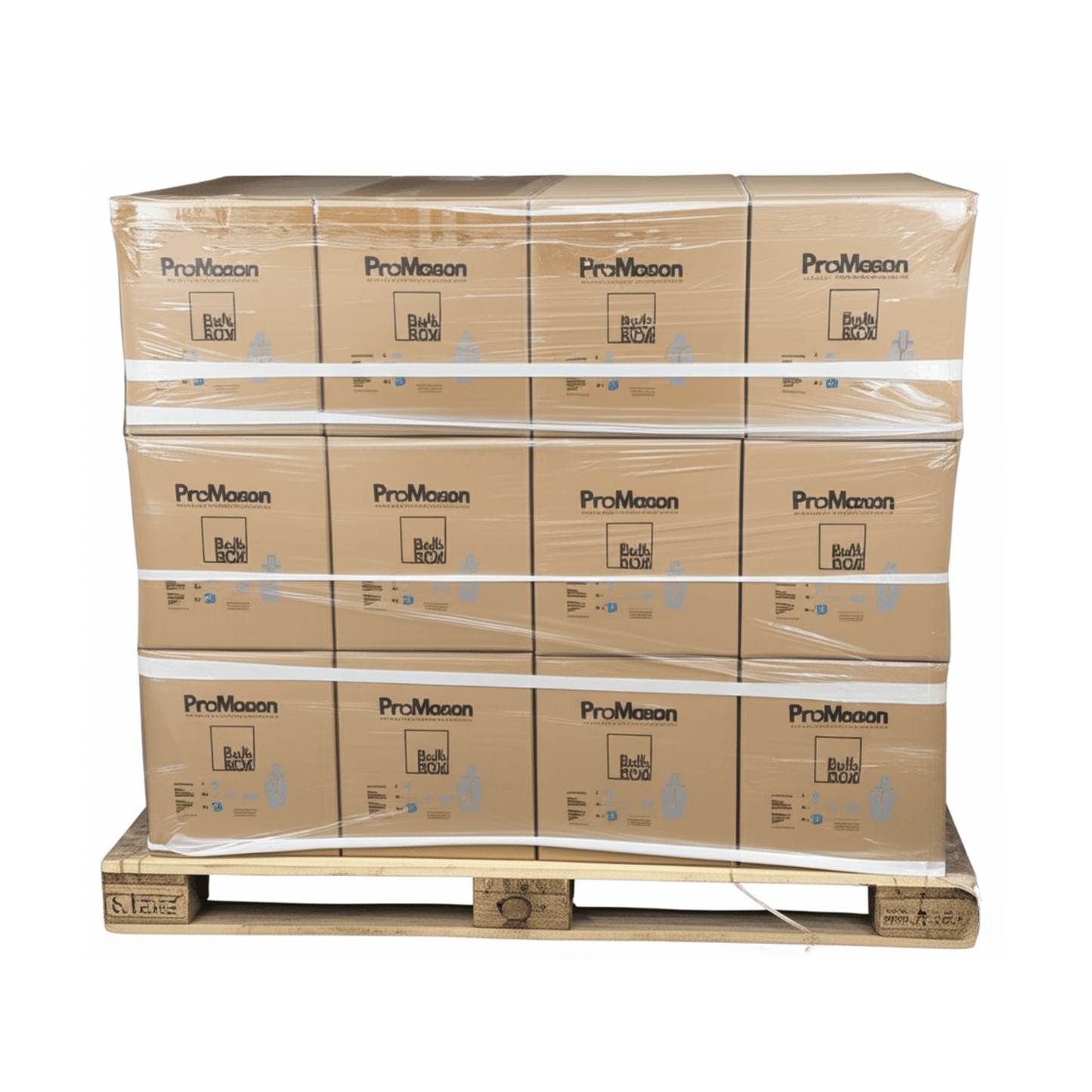
- Pallet of 48 five-gallon bulk boxes, free shipping
Contents are sold by volume and may settle in shipping. Mix the full container with the full measure of sand. Full details are in the LimePro product data sheet.
Safety: lime is caustic, and the dry powder contains crystalline silica. Wear gloves and eye protection, and avoid breathing the dust when mixing.


Estimating tool
Plaster Estimator
Answer a few quick questions to help you estimate how much LimePro and sand to order.
Plaster Estimator
Let customers speak for us
This product is wonderful. Used as a wash we were able to match an existing stone wall. Definitely recommend!

I t was a great experience. I really liked the pant and it looks really good on our house
Mixed easily and worked like Type N or S. Cured quickly in tuck-pointing application for very old brick. Appears to be working well.

This was used to repoint a below grade stone foundation that had a water permeation issue. As far as I can tell I it’s doing what it designed to do. I followed the curing process and the mortar seemed to set up fine after 3 days prior to backfilling.
My project turned out BEAUTIFULLY! So happy with this product! We have a 1970’s brick fireplace that had a very orange tint that seemed dark and dingy.
I choose the cream brick stain to brighten and lighten up the bricks.
Have not started project, yet. But I'm confident it will be fine 🙂

My handyman was able to patch a section of mortar on my limestone. It was quick and easy from ordering to delivery to results.
The stain worked perfectly.
We are using this mortar for our stone wall restoration project, and so far we are very happy with the results. The mortar is easy to work with, and the color blends nicely with the existing stonework. Good quality product!

After visiting the shop and talking to the team i got the right mortar to repoint my stone foundation and brick work with powered dyes. The softer and natural tone compared to using bigbox type N grey mortar product keeps the integrity of my 110yr home without looking like a bad diy patch job.
Came out beautiful and better than I had hoped
Shipped quickly. Arrived quickly. It mixed easily and adhered to my spalling bricks. So far so good.

The perfect mortar for 126 year old bricks (granite boulder and brick foundation built in 1900). Very happy with the mortar and clear instructions. Thank you ProMason!
Worked perfectly. Stain changed color of existing brick to the tone I was expecting giving it new life and blends with other new finishes.
I haven't had a chance to mix and use the mortar yet. However, the customer service is great. They immediately sent a replacement package of colorant since the original had leaked.
